

Pilgrims of Hope: Waterloo to Rome - November 25, 2025
Review by: Maha Al-Rayes
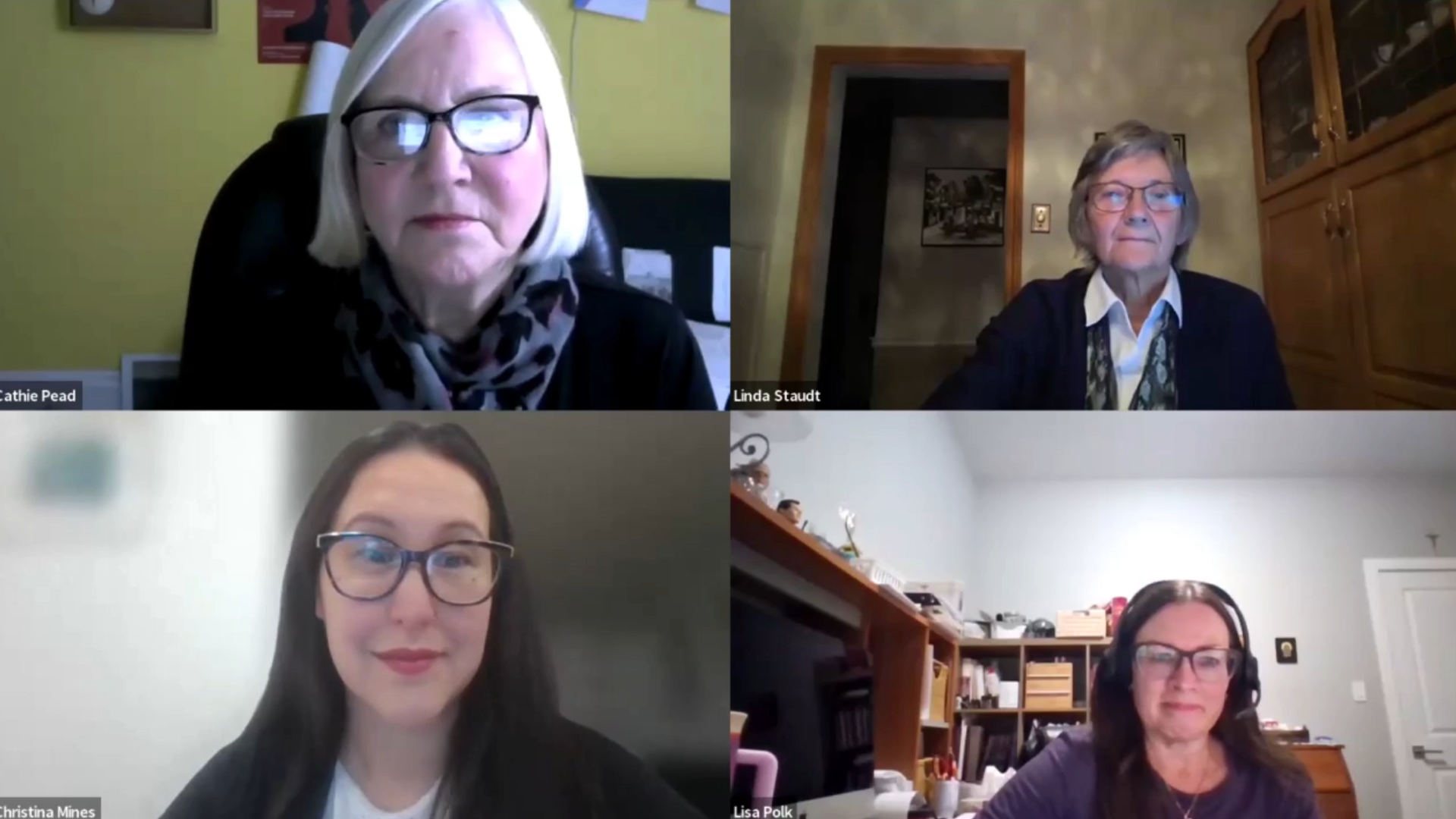
On November 25, Concerned Lay Catholics (CLC) hosted a national Zoom gathering to reflect on the Journey of Encounter in Waterloo and the recent Jubilee of Synodal Teams in Rome. Speakers who attended both events, included Catherine Pead (Concerned Lay Catholics in Canada); Christina Mines, Director of Evangelization and Catechesis (Diocese of Hamilton); Lisa Polk, Director of Pastoral Services and Operations (Archdiocese of Regina); and Linda Staudt, Retired Director of Education and Canadian Delegate to the 2023 - 24 Synod on Synodality. Sister Jeanette Filthaut, SP opened the evening with prayer.
A central theme throughout the reflections was clear: Synodality is not a temporary initiative but the Church’s ongoing way of being. Rooted in baptism, Synodality calls the faithful to listen deeply, discern together, and walk in communion. Participants expressed gratitude that Pope Francis continued to model this approach with humility and attentiveness, encouraging dioceses worldwide to embed Synodality in their local contexts.
The African proverb ‘I am because we are,’ that Father Bill Burke used to open the open the event in Waterloo, captured the heart of the synodal vision. Speakers noted that while today’s culture often fosters isolation and competitiveness, Synodality calls us back to relationship and shared belonging. This echoes Cardinal Rys’s reminder to the Pilgrims in Rome that unity does not require uniformity. Diversity enriches the Church, while pride and rigidity divide it.
The method of Conversation in the Spirit was highlighted as one of the most transformative elements of the synodal process. Through prayer, silence, attentive listening, and shared discernment, this approach creates genuine space for the Holy Spirit to speak through every voice. Its impact was evident in both Waterloo and Rome, where it enabled broad consensus while honouring differences.
Another key theme was co-responsibility, understood as shared decision-making rooted in baptism. While pastors retain final decision-taking authority, discernment must include the wider People of God. Synodality therefore requires spiritual and practical formation for clergy and laity alike.
More than 70 participants acknowledged the uneven pace of synodal development across Canada but expressed hope, naming many signs of life at parish, diocesan, and national levels. The gathering concluded with an invitation for all the baptized to nurture Synodality wherever they are through listening, encounter, and humble collaboration-trusting the Holy Spirit to lead the Church forward.
In reflecting on this shared journey, it is brought to mind the words of Hebrews 10:24: ‘Let us consider how to stir up one another to love and good works.’ May this continue to guide our synodal path. Amen